
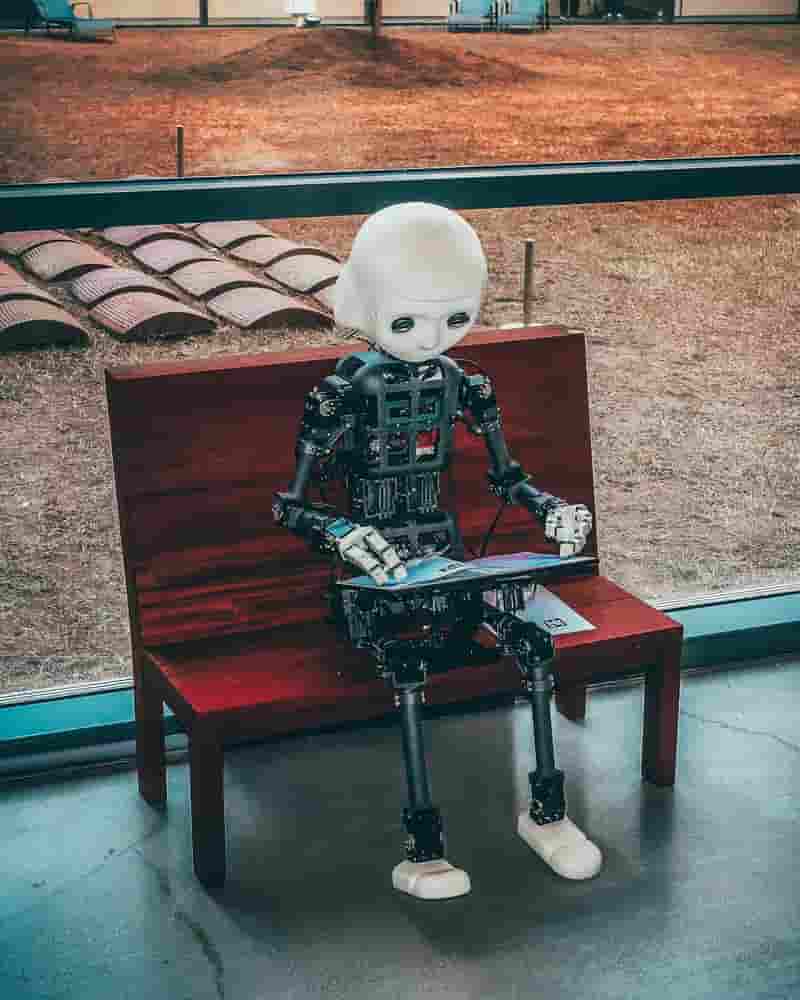
How AI Agents Are Changing Enterprise Software Development
From automated testing to semantic code refactoring, how autonomous AI agents are becoming a core part of the software engineering lifecycle.

The Rise of the Agentic SDLC
AI coding assistants like GitHub Copilot changed how we write individual lines of code. But autonomous AI agents are changing the entire Software Development Life Cycle (SDLC). At SAMStack Tech, we have integrated agentic workflows directly into our engineering processes.
Automated QA and End-to-End Testing
Traditionally, writing Playwright or Cypress tests for enterprise applications is tedious and brittle. We now use AI agents that parse our OpenAPI specs and React component trees to autonomously generate, execute, and self-heal end-to-end tests. When a UI element changes, the agent detects the failure, identifies the DOM change, and updates the test selector automatically.
Semantic Codebase Refactoring
Find-and-replace using regex is dangerous at an enterprise scale. We employ specialized refactoring agents capable of semantic understanding. If we need to migrate a legacy authentication module to a new OAuth provider across 50 microservices, the agent reads the context, understands the data flow, and proposes pull requests across multiple repositories simultaneously.
The Role of the Human Engineer in 2026
AI agents are not replacing software engineers; they are elevating them to systems architects. The focus has shifted from writing boilerplate logic to defining system constraints, reviewing agent-generated pull requests, ensuring security boundaries, and designing scalable database schemas.
Agencies that fail to adopt these agentic workflows will simply not be able to compete on velocity and cost with those that do. SAMStack Tech delivers enterprise software 40% faster by leveraging these autonomous systems.
Written by
Syed Abdullah
Backend Engineer
More Insights
Explore More Insights
Deep-dives into engineering, architecture, and the future of software.